

Learn the Rewind Technique with Mark Tyrrell of Uncommon Knowledge
More than 25 years teaching this remarkable (often single session) trauma/PTSD treatment to thousands of health professionals makes Mark uniquely placed to help you integrate it into your work.

Every practitioner knows that trauma is a part of many problems. But very few know to what extent, and more importantly, how to treat trauma quickly.
And if you treat people with PTSD (post traumatic stress disorder) or severe phobias, you'll know these are among the worst things to live with.
But it's not just PTSD. (As if that weren't enough.)
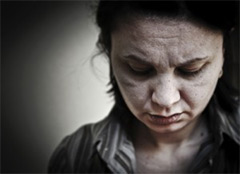
Depression, anxiety conditions, obsessive thoughts, OCD, addictions and substance abuse - all these problems and more are often 'powered' by hidden trauma.
So when you've got a client whose depression you just can't lift, an addiction that just won't shift, or anxiety that keeps coming back no matter what you do, it's worth considering that a trauma may be driving it.
And then, when you know trauma is present, what do you do about it?
Since the first World War, psychologists and psychiatrists have been trying to treat trauma in a myriad of frightening ways:
- having sufferers relive the trauma again and again, making the symptoms worse not better
- using critical incident stress debriefing as a standard practise for helping emergency services deal with traumatic experiences in the line of duty
- inducing diabetic comas via insulin injection
- using anti-anxiety or anti-depression drugs for years with no improvements.
And of course using cognitive therapy to treat trauma is nigh-on impossible - that's like trying to tether a raging bull with sewing thread.
So what treatment does work for trauma?
To understand this, we need to first see exactly what trauma is. So let's get back to basics.
What exactly is happening when someone has a traumatic flashback? For example, a soldier who has been in a war zone is walking down the street and a car backfires. Instantly he feels as if he's back in the front line and reacts as if a bomb has just gone off nearby.

But he knows he's on a normal street, so what is going on? It's as if he never took off his combats. His brain has 'pattern matched' the backfire to being similar to the sound of gunfire or explosions and triggered the 'fight or flight' response in him. He is flooded with adrenaline and his overwhelming instinct is to run.
In his brain there is what we call a 'global pattern' for loud bangs, created by the focusing effect of the terror he experienced in battle. This is very different to the pattern you and I have for it, which will make us jump but once our brain figures out what caused the bang, it steps down the alert procedure.
However, this global pattern in the ex-soldier's brain has no context to it (in other words, it doesn't matter where he is when the sound occurs, or what else is going on around him). His brain has decided that this sound is so closely linked to potential death that it warrants being a global pattern that goes off at the slightest provocation.
So our job as a practitioner is to turn this global pattern back into a contextualized one. Or in other words, to stop his brain setting off the alarm when he hears a bang.
We need the soldier to be able to hear a car backfire as just that.
But how can we do this when traumatic memories are so powerful?
Anyone who has ever treated a traumatized person knows that even talking about the traumatic incident can catapult them into a highly emotional state.
And once they're highly emotional again, you can do nothing until they calm down.
So this tells us that we have to somehow approach the memory without them becoming emotional.
And this is where the Rewind Technique comes in.
Although it seems almost too simple, the Rewind is a precision instrument.

When you're dealing with a traumatic memory, you need to approach it carefully and quietly, like tiptoeing up to a sleeping tiger.

The structure of the Rewind and the language used is precisely designed to hold the client in a specific relationship to the memory so that it can be re-processed by the technique and contextualized. This way, as we explained above, it can stop being a global pattern firing off alarms all over the place, so there are no roaring tigers in your therapy session.
And the beautiful thing about the Rewind Technique is that you don't even need to know any detail about the traumatic memory - so it is highly respectful to the client.
The Rewind Technique Course

My company Uncommon Knowledge has been training practitioners in how to use the Rewind Technique for many years. We did this for 10 years as part of our professional level diploma course taught from a university in the UK. When we stopped running our diploma course, we created a new online format for the Rewind Technique course – a combination of video, audio, and other supporting materials in a user-friendly online space called Uncommon U, which we created specifically to make online learning easy and enjoyable. Our online course is recognized by the Red Poppy Company, an organization dedicated to enabling traumatized war veterans to get access to fast, effective treatment.
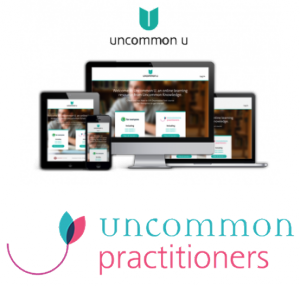
We have created a new format for the course, a combination of video, live calls and home study materials in a lovely online space called Uncommon U which we created specifically to make online learning easy and enjoyable.
Join a community of like-minded people
Throughout the course you’ll be able to converse with your fellow students, discuss cases with them or myself, review and repeat any material as you feel necessary, and ask questions in the comments section in Uncommon U or save them up for the monthly live Q&A sessions.
We guarantee the course's effectiveness
You've already heard just what a lifesaver the Rewind Technique is. Which is why I am so keen to get as many practitioners trained in it as possible. And I believe that once you've completed the course, you'll feel exactly the same. When you get that first call from a client whose traumatic symptoms have lifted, you'll know just what I mean. But I understand that this is a serious investment, and you need to know that it is going to be worth it, so the only thing I can really do to take the pressure off you is give you this guarantee.

I promise you will be astonished at the results you get treating your next 3 traumatized clients after completing the course. And that they will feel much better after a single session. You are the judge. If you don't agree this is the case, simply ask and I'll refund you. You see, I really want as many practitioners to know the Rewind Technique as possible. PTSD and phobias are terrible things to live with, and it is so unnecessary. We can join together to contribute to doing something about this terrible loss of potential.
What's included in the Rewind Technique course?
- Instant access to Uncommon U - our user-friendly online learning platform available through your browser or our dedicated app. Read, listen to, or download course materials, watch videos and gain access to the private commenting areas where you can discuss the course, clients and ideas with Mark and other course delegates.
- Comprehensive course notes - 91 pages in PDF format.
- Client PTSD treatment videos - watch Mark treat a client with PTSD, along with the follow up session.
- Snake phobia cure - watch Mark treat a man with a snake phobia using the Rewind Technique.
- Client trauma treatment video – watch Mark treat a client who was emotionally and physically abused as a child.
- 2 bonus videos – 3 unusual applications of the Rewind Technique, plus treating OCD with the Rewind Technique.
- Monthly live question & answer session with Mark – join your fellow students from this and our other courses to ask Mark questions about the course and any therapy-related queries you have. You can ask your questions live on the call or submit them beforehand and if you can’t make the live calls, they’ll be available to download the following day (in mp3 format).
- Full word-by-word Rewind Technique script – providing the full Rewind Technique structure for a client session, which can be modified as your confidence and experience of the technique grows with each client.
- Checklist before practise – the essentials pared down for a quick memory boost.
- Your client questions answered – the collective Uncommon Knowledge brain will work on your single most pressing trauma client problem for you, either in Uncommon U or in private by email.
- Self test quizzes to embed your knowledge.
- Certificate of completion – On successful completion of the course, you will receive a personalized certificate and confirmation of 10 CPD hours/points earned.
- Access to the Uncommon Practitioners Private Facebook Group - where you can chat with like-minded practitioners, get support, discuss cases or just share your latest beautiful photo.
When does the course start?
The Rewind Technique course starts immediately. During this time, you can take the course at your own pace, although we do ask you to reach certain stages in time for the Q&A calls.
Do I need to know hypnosis to take the course?
To use the Rewind, you will need some experience of using your voice to relax your clients. I believe this is an invaluable skill because relaxation is so valuable in treating anxiety-based conditions.
So to help those of you who weren't taught voice-based relaxation as part of your training, you can get our Uncommon Hypnotherapy course for $100 off as part of your course booking.
Testimonials from our previous delegates*

This really appealed to my scientific background and I appreciate the knowledge gathered by this team. I find my clients enjoy the process and the skills they gain from it and can enjoy this process effortlessly - especially useful for clients who are weighed down by depression or in the tiresome busy place of anxiety. Some clients can gain benefit just being involved and I notice then more willingness to trust a process and learn ways to move forward and progress. Looking forward to working with more clients in this way.

The Rewind course has given me a really powerful tool that enabled me to help two clients get rid of a range of symptoms (including flashbacks) in just one session. It works like magic when you learn to apply this simple and effective technique. And the marketing materials I got are truly useful. I really appreciate this course.

I have used the Rewind Technique for my clients with very good results. It is an effective tool for treating trauma/PTSD.
The structure of the course is clear, concise, and applicable when it comes to using the techniques and treat my own clients. And the course is packed with content; going through everything only once is not enough.
What I particularly like is that there is no need to re-expose the patient to the traumatic content, thus avoiding further harm. It is a gentle way to treat them, with better results than other treatment methods I used before.
One of my patients (traumatised for 20+ years and a sort of social phobia) recovered fast and well. I taught her self-hypnosis and an anchor to help her relax very fast, did the Rewind with her, and the next day she reported she feels better, not that "burdened" any more, "it feels different". I asked about the social phobia; she said, "Which phobia?" It turned out she used her anchor in social situations - which helped her lots.
I have more background knowledge than before. My former training in England was excellent, but what I learned with you is really, really great! I was able to complement my knowledge with many new insights. The same applies to the other courses which I really love and enjoy. I have become much more fluent to work in both languages, English and German, which makes it easier to work with my clients and feel more confident with them myself. And I learn every day more how to deal with their issues in a better, more therapeutic way.

I really enjoyed the Rewind Technique course created by Uncommon Practitioners. The course materials were easy to follow and everything was extremely well explained and clear. I especially liked the diagram used with the dolls to explain the technique and the supportive materials shared, including the explanation of why traumatic memories stay in our memory and how the Rewind Technique helps the brain process them. It's helped me a lot to explain it to the clients. I also found it really valuable to learn about the Primal Human Needs and to watch the recorded case studies with the technique demonstrated.
I was able to start helping my clients straight away and help someone resolve a lifelong PTSD. I would recommend this to all practitioners.

I can honestly say this is one of the most enjoyable courses I have taken in a while. The step-by-step guidance given means that once completed, you feel totally secure in being able to apply your learning immediately and safe in the knowledge that you are working ethically.
I have felt fully supported throughout the whole of my learning journey with Uncommon U. I especially love getting the emails which feel as if they come directly from the person to me, such a nice touch.

Well presented and very clear instruction; love Mark's relaxed and clear delivery. Great support materials and Uncommon U is friendly and inclusive. The lonely world of practitioners is a little smaller and more supportive.

This technique has proven to be quite effective in my practice and is now one of my favorite tools for helping clients renegotiate trauma so that they can move on with their lives. For example, one person said that she had a totally different relationship with the memory of a childhood sexual assault. Another got rid of an insect phobia. Another was finally able to feel better after grieving the loss of a spouse. Definitely a good tool to have at your disposal if you are working with trauma.

Couldn't fault this course. The passion in the teaching, the affordable price, the helpful staff, the on the ground results. As one therapist to another: If you could move a client quicker through their dark forest, why wouldn't you? My first session released one woman from the grips of guilt, despair, and terror helplessly watching her husband die in pain. She now only sees light when she thinks of it and describes her brain 'whizzing past it'. I have only optimism for using this technique into the future and can't recommend the course enough.
I have used the Rewind technique a few times to treat people who have been "haunted" by a memory and the results have been very positive.
More recently, I saw a young man who required surgery for testicular cancer and as part of post-op care he has regular checkups, although the outcome and prognosis is good. However, when a cannula was placed into his arm to administer the dye, he passed out. He did not appear to be troubled by the most obvious indications of PTSD, such as flashbacks and nightmares, but he was experiencing difficulty concentrating at work, he had become hypervigilant in terms of self- monitoring his body, and his sleep was disturbed. He likened the feeling he experienced when the cannula was inserted to when, as a child, he had been prepared for an operation. So, I threw that into the mix with the trauma of diagnosis and period of uncertainty (memories he had identified as difficult) and used the Rewind Technique.
I received a text message a few days after to say that he felt much better, more relaxed, and confident. The additional work I did to enhance confidence, I very much based on your client conversation with Tony.
I also used Rewind with a client who, in a professional capacity, had to attend a Coroner's Court and was feeling anxious. Apparently she remained calm and was in fact praised for her contribution.
So, thank you so much for providing me with another truly significant and life-changing tool!

The course has been fantastic, especially the videos and subsequent practice on ourselves in Session 3... It's true that we have to be able to sit with and experience it to understand what our visitors will go through during the rewind experience. I am seriously impressed with the course, never mind my ability to keep on track with it. I actually couldn't wait to get started on it after my day job (as a Registered Childminder looking after my granddaughter), so I've been studying every evening for about 6 hours after work, hence the time of this email! I really only stopped each evening to go to bed! Superbly written materials - and thoroughly impressed with the pace and style of the delivery, quality, materials, support and really interesting to read the responses/questions by practitioners too... everything just comes together right at the end.
I used to be an IT Lecturer years ago and I have been running Mindfulness Based Stress Reduction Courses for over a decade to the public and private sector as well as the general public. Having done Psychology years ago and then a diploma in Psychotherapy (to practice as a Psychotherapist in the evenings for the last 5 years), as well as a Mindful Educators Course, this is by far the most interesting and excellently written and delivered course I've ever undertaken and I've done a lot as well as written a lot! It slots right into Mindful Psychotherapy that I offer, in the language used and guiding people into the relaxation stage before using the rewind technique. In fact, if Mark and Roger ever decide to go back to offering the equivalent of a degree style course in the future - I'm in!!

Since I did the Rewind Technique course, my life has changed brilliantly! I did the Rewind Technique to myself in the first place to lift several triggers as a consequence of so much abuse years ago and during my childhood and I feel much better now and more confident. I also applied it to myself to overcome the anxiety of just even thinking of doing Facebook Lives for my work as a relationship coach and since then I haven't stopped doing them every day and even twice a day!
And several amazing clients had a massive liberation from childhood trauma from abuse. I am very looking forward to keep using it! This is one of the best things I've done in my whole life as a student!
BEST THING EVER!! THANK YOU!

I loved Rewind course. I already had 2 Master NLP and Cognitive Hypnotherapy so was nervous to spend all this money on Rewind when it had been covered in several courses previously and I use it in phobias. Well, I was pleasantly surprised when the course came. Lots more in-depth theory consolidation (which I enjoy), easy to follow diagrams and explanation, along with support if you want it. Ongoing support through the monthly calls, again not mandatory. I would strongly recommend anyone working with trauma in any disguise from bullying in schools and the workplace to abuse victims and war veterans take this course. All therapists (in my opinion) should have this course in their armoury or tool box. Thank you to Mark and Roger.

I really appreciate that the Rewind Technique course is offered as a stand alone module, which allows me to add the technique to my therapy tool box rather than try to reinvent the wheel. And at a very reasonable rate, as well. It's a tried and proven technique and the instruction is so straightforward, I was literally able to apply the technique within hours of completing the course. Such is the confidence inspired through the delivery of the course. I definitely recommend the course to other therapists (and already have). The Rewind technique has so many applications, it's an invaluable tool to have.
Just finished and passed the Rewind Technique course. I used the technique on my first client today and got amazing results. My client is German, married to an American, living in the United States. Since her childhood, she has been almost phobic about writing in public, afraid that others will know she's not from here and think her strange. We did the Rewind Technique about her fear and in one session her compulsive ruminating about writing is gone. When she imagines writing in front of someone she now reports to feel calm and in control.
Also received my pocketwatch. I love it and my clients think it's so funny to be hanging next to my chair. They all seem to know the significance!
Thank you so much for the excellent trainings and fast support!

I really enjoyed the rewind course and all the extra information that was included. I liked the information presented and the general approach as well as the rewind technique. I am getting some results with the primal needs assessment and some of the other information presented along with the course. I think it will be helpful for a lot more than just clients who are appropriate for the rewind technique.

I already knew about this type of technique from my NLP days and had used it previously with mixed results, and at the end of the day I was not happy with it and discounted it as useful. One of my supervisees did your course but was reluctant to use it as she felt too unskilled. It piqued my interest to find out more about it. I am delighted that I learnt the technique and have had some effective results thus far with my clients.
One particular client's issue was one of distrust of her partner and was complicated by other issues of his own that he was seeing a separate counsellor for. Despite our best efforts in counselling, she could not 'shake off' the old distrust that would get frequently triggered by his behaviour.
I decided that the Rewind Technique could be a suitable fit for her. She accessed three very different memories from where her feelings of distrust of men exhibiting certain types of behaviour had arisen from. We did the SUD's at the beginning of the session but I forgot to do it at the end. However, her relief and demeanour at the end of the session were so markedly different and relaxed, it seemed superfluous. Next time.
I think it is safe, effective and respectful to the client. I was nervous that the 3 memories process would be perhaps too repetitious, however my clients have said they liked the predictability that is built up for them over the 3 memories, which I think builds a kind of mastery of confidence and hopeful expectation for their best results. I feel more skilled and supported in using this technique with my clients.
The Rewind course from Uncommon Knowledge was well worth the cost. It has increased the value I now offer my trauma clients. I can now provide trauma treatment with increased speed of relief and ease their effort in the process.
The second client with whom I used Rewind had come into see me due to a sexual assault from about 4 years earlier. She knew that she needed to work on this issue but just to mention that she had "something from my past" caused her to shut down in terror with her fists pushed into her mouth and her eyes flung wide open. So we had been moving very gently working to establish safety for her. When I finally felt comfortable using Rewind (and I still used the script), we rewound her sexual assault successfully and she sat amazed, and dazed at the ease of the process, in my office. She is very grateful that this is no longer a living terror in her daily life and I am grateful for such a successful tool to use with my clients.
Thank you Uncommon Knowledge.

Here is my latest testimonial from a client after I did the Rewind that I learnt from UNK. It's now my bread and butter and I could add so many more like this:
'For many years I had an intense fear of flying that stopped me from travelling and when I did, it would be a terrible experience of anxiety and panic attacks. After meeting with Clive, I flew all the way from Sydney, Australia to New York, which takes around 23 hours, without the usual terror and it went so well that I'm already planning my next overseas flight! Clive's methods are effective and can prepare you for any situation that may usually cause anxiety or stress. Thank you very much Clive!'
Testimonials like this literally lift your heart.
I really enjoyed doing the Rewind Technique as it gave me a very good understanding regarding PTSD and Trauma. The course was easy and clear to follow. Mark is relaxed and calm and shows wonderfully how to embark upon guiding the client through a very painful process. The method is easy and very powerful. To be recommended.
My first time using the Rewind Technique was with a 65-year-old man who had an extreme needle phobia his whole life. He had not had a shot in 40 years and his wife wanted him to get his COVID vaccine. In the past 40 years, when he would attempt to get a shot, he would either show up at the doctor's office then bolt out of there right away, faint, or vomit. His reaction was extreme.
I used the Rewind Technique for the two sessions I did with him. When he showed up for his second session, his wife was waiting for him in the car and she was going to take him right to the clinic to get his shot after this session. When the session was finished, he said, "Wish me luck."
He emailed me two days later telling me that after his session with me, they went right to the clinic. The nurse told him he would have to wait 15 minutes before his shot. He calmly waited 15 minutes, then received the needle, feeling calm and relaxed the whole time. He walked out of the clinic feeling relaxed.
Learning the Rewind Technique has raised the level of my practice. Thank you Mark and the whole team at Uncommon Knowledge.
I am a Clinical Hypnotherapist and have been using the VK Disassociation technique successfully for a number of years. I found the course comprehensive and the live demonstrations of the Rewind Technique very beneficial. There is always more to learn to enhance therapy sessions and enable the client to achieve the outcomes they want. I would recommend this course whether you are a novice or seasoned hypnotherapist.
I had heard a lot about the Rewind Technique but it seemed like a closely guarded secret. I wondered if it was complicated. I looked at a course using this for birth trauma aimed at therapists and midwives, which I have been for 16 years. But that was £3,000! So by comparison, this course is excellent value and valuable for all trauma. The concept is so simple yet so effective. The materials are so straightforward and easy to follow and understand and for the novice you can print out the scripts. All this without leaving home makes it fantastic!
Offered in an informative and easy learning method. You can take it at your own pace and refer back to it if you should need to. I have used it with a client who was sexually abused as a young child who had flashbacks and was permanently reliving the visualisation of it daily. On using the Rewind, after only one session they don't think about it anymore. Another suffers from a traumatic visual image of something they experienced that they can't get out of their head, I have used it for that also, waiting to see if we need to repeat it.
The Rewind Course is excellent. The techniques I have learned are game changing for treating a range of problems that would previously have been very difficult. The course was very interesting and well explained. The material was excellent and well organised. I feel confident now in using the Rewind Technique and believe that I am much better equipped to help more clients.
My previously agoraphobic client went out to visit someone this week. She had no panic and enjoyed the journey, which she has not been able to do for 2 years. I think that rewinding the worst panic incidents was key in her recovery.
(Scroll down to read even more testimonials from our Rewind Technique course delegates.)
Here's the detail on how it works:
We want to make it as easy as possible for you to learn the Rewind Technique. Many of our delegates are novices with computers yet perfectly comfortable within our online training area Uncommon U.
Here's how it all works...
- You access the course by clicking the 'Enroll now' button at the bottom of the page.
- You get immediate access to the course materials, including a welcome video from myself as course leader, and access to the comments section where you can introduce yourself to your fellow delegates.
- You can begin Session 1 immediately, during which you learn about the cause and treatment of PTSD and phobic states. You listen to the audio lecture for the session and download the materials.
- You move on to Session 2, after which there is a short test. Once that is complete, you move on to Session 3 and complete the test for that.
- As you go along, you ask any questions you have in the comments boxes you'll find on every page, or save them up for the Q&A calls.
- You dial in for the first Q&A call and get to 'meet' other practitioners on the course or you wait until after the call and download the audio to listen to at your convenience.
- You continue through the course in this fashion until you have completed all 3 Session tests and the Q&A calls.
- You receive your certificate of completion from us.
- You continue to have access to the course materials online for as long as you need.
Testimonials from our previous delegates
These testimonials from our previous delegates expand fully on how the Rewind Technique has been applied in practice, from war veterans, victims of emotional, sexual or physical abuse, and phobias of many different flavours.

Thank you so much for this video and for teaching this course. I just met with someone a few days ago, and used the Rewind Technique to help her get over a painful memory. She was very grateful for the experience! She said that it was a burden that she has carried for more than five years and that she had tried so many things to get over it before - retreats, spiritual direction, counseling, psychotherapy. She said for the first time (after going through the Rewind Technique) she finally felt that she was free. :)
Thank you Mark, your work is helping a lot of people. In different parts of the world.
I absolutely enjoyed listening to the Rewind Technique in a 'listen to session 2 lecture'. I had quite a traumatic experience of not passing my driving test for the second time and it felt so bad after both especially second experience that I felt I needed to try this technique on myself. While Mark was talking about imagining having breakfast I actually had the test in my mind. I started to cry immediately on a first fast forward circle as it felt so real and hurtful/disappointing and on the rewind part I felt so dramatically different: light, strong and confident after. It felt like a miracle in my head has happened and made me fully believe in the magic qualities of this technique, which I now use in my practice. Thanks a million!
On Tuesday I had the blessing of working with a deeply traumatised client who presented with low self esteem, violent mood swings and anxiety with occasional panic attacks. This client had suffered constant verbal and physical abuse over a period spanning just over 10 years. Although she had tried talking therapies the actual cause of the trauma had never been addressed.
She actually thought she had dealt with the issues and they did not bother her, her initial consultation she thought was around PMT but as I gently questioned and unpicked her problems my gut feeling told me they we're connected to something much deeper. Once it was clear, tears flowed freely in a very positive way, I reassured her this was a good thing and actually a sign that these emotions and trauma had not been dealt with, how they were actually putting the brakes on her life still and how wonderful did she think she would feel to not have them weighing her down so she could fly again and truly be herself once more.
So without her going into too much detail, keeping her calm and relaxed, we pinpointed three key times from the beginning, middle and end of those ten years as the pointers we would use for the Rewind Technique ... I had identified her main modalities and used these for her special place, which was a local beauty spot she loved and often walked round. She had quite a problem allowing me to guide her, as she had a block with being directed and being looked at by a male directly linked to past trauma ... I gently coaxed her using neutral terminology along the lines of how nice it would feel to allow her eyes to close and she was in total control of her journey into wonderful, beautiful, deep, healing relaxation. Once she closed her eyes and was taking those deep breaths she relaxed very quickly, she was able to see the TV screen hovering above her, which is where she put it and through the double dissociation see herself calmly watching the screen, fast forwarding and then floating back into her special place, then into the screen and on super fast rewind through all three key events, to a point just before and just after when all was calm and normal once more.
Well what can I say other then WOW!!! When I reoriented her it was obvious we had unhooked the tether to that past trauma, she was visibly much calmer and laughing as she sang a song her tormentor used to tap out on a wall and sing to summon her to him, this was a song she could not bear to hear. Seeing her so happy and changed actually had a very strong emotional impact on me as I was visibly chocked too. It was an incredibly profound, powerful and positive experience.
I qualified way back in 1988 at 21 years of age, running my practise for 18 months, I was told at that time I was the UK's youngest qualified and practising Hypnotherapist. I got the chance to play American Football in the states at collegiate level and for some reason never picked up the reigns again, though the interest remained. I requalified 2 years ago with Chrysalis through Notts University but was still trying to cling to the outdoor sports environment I had run a successful business in but was forced to step away from. I was doubting my abilities even though I had been put forward for a distinction and more course tutor very kindly emailed me when I did not get that distinction to say I was the most naturally gifted Hypnotherapist she had seen in 15 years of practicing and teaching, her words meant way more then that distinction, yet still I held back!
Well 2016 is the year I launch my new practice and let people know that I am here to help them gain positive lasting change in their lives. Thanks to you Mark and your superb training materials not only am I confident that this will help change the lives of many people I am blessed to work with but that it is indeed my true calling, along with motivational speaking and writing beautiful words for beautiful people. If you are reading this and are unsure about taking that step into the unknown or wrestling with self doubt in your own abilities, then please use me as an example or PM me so we can share our journey together as we lift, heal and inspire those around us. We can't move forward looking back but we MUST accept the responsibility we have been gifted to help others with such life changing tools.
Thanks again Mark and Roger, you will find me asking many questions and contributing here frequently to better myself and help others on their journey also ... Uncommon you most certainly are ... I look forward to taking more courses on that quest to be an exceptional practitioner.

I completed the Rewind course over a year ago and it's been a huge benefit to my clients. I tend to work with people who have experienced past abuse and the Rewind Technique has really helped to relieve their trauma. I have almost completed the How to Lift Depression Fast course now, as sudden onset health issues put me out of the picture for most of last year. I have a diploma and certificate in hypnotherapy along with a background in psychology and have been self employed for three years now as a counsellor, life coach, and hypnotherapist.
I have found the courses at Unk to be so much better in terms of content than those I paid $1000's for. The course content and materials are excellent and very detailed and the courses are structured in such a way that the information is easy to learn and implement. Highly recommended.
It's great to learn skills that you can start implementing straight away instead of just theory.

One word ... fantastic! I have been a full-time Clinical Hypnotherapist (Australia) for 11 years and I am always looking at adding an extra string to the bow. Or maybe just wanting to be the best therapist for my clients. I have just completed the Rewind course and have found it to be very good. The content is informative, relevant, and easily understood. The provided resources are very useful. Overall, this course is value for money and I'd recommend to any Hypnotherapist who is serious about helping clients who are living with PTSD or trauma to get their minds around the Rewind Technique. And if you don't have marketing confidence, then the Client Attractor Pack could be the cherry on top.

I loved the Rewind course and highly recommend it. The structure is well thought out and easy to navigate. The content is engaging and informative and is great value for money. What I found particularly useful is the access you have to the course (up to a year after enrollment). This is brilliant if you need a refresher or clarification on a certain point. This course has helped me develop as a practitioner who can confidently treat phobias and PTSD. Thank you!

The Rewind Technique addresses the very core of human tragedies. So stunningly simple, it should be put in the town water, sprayed on the crops, included in school curriculums for the benefit of the human race. Who needs Big Pharma when there's the Rewind Technique.
The Rewind Technique is brilliant in its simplicity and is taught very competently by Mark and Roger at Uncommon U. They couldn't be more encouraging or supportive and are obviously passionate about their work. Couldn't recommend the training and the trainers more!

After completing the Rewind Technique course, I am now able to offer my clients a fast, stress-free way to deal with anxiety, PTSD, etc. The course was both comprehensive and easy to follow. The support available is excellent.
My first client saw a significant improvement after one session. She had a history of severe childhood abuse and suffered from extreme anxiety. After the first session she no longer feared leaving her home, which had been a significant barrier to her leading a normal life. She continues to progress and now sees possibilities in her life.
Subsequent clients have also reported significant improvement from session 1. I have had success in helping people who were suffering from panic attacks, anxiety, and fear of public speaking. I have used similar NLP techniques in the past, but not with the same level of success.
Thank you for this wonderful tool. I highly recommend the course for anyone working with people who suffer from anxiety and PTSD."
The thought put into designing the course was remarkable. There were plenty of diagrams and charts to drive the points home and provide a clear visual understanding of the technique in action. The course was exceptional in its entirety.
If you are thinking about taking the Rewind course and are the least bit skeptical, don't be. The first client I treated with Rewind had a 20-year phobia of rodents and had adverse reactions to even the mention of the words 'rat' or 'mouse'. She could not view rodents on television either, for it caused a tremendous spike in her anxiety levels. During the interview part of our first session, her anxiety reached a level of 8 when I mentioned that I would be asking her about rats! I hadn't even officially started the session at this point!
After we did the Rewind, she still displayed some nervous tension, but when I graded her on a scale of of 1-10, she was between 2 and 3! A 2 was our actual goal. She couldn't believe it and wanted to test. I pulled up an entire page full of rats online not knowing what to expect. She sat in front of the computer and began to nonchalantly comment on some of the more gross pictures (rats giving birth, dead rats, rats with giant yellow teeth, etc.) and even joked about a baby rat being cute!
This was crazy. Thirty minutes earlier, I couldn't say the word 'rat' to her. Now she can see them online and laugh about it. We were both amazed. Next, I will treat her for OCD. She's excited to begin.
I am now actively looking for trauma sufferers to treat. Everyone else that treats trauma is so into CBT and EMDR that they are ignoring the most POWERFUL technique that we have to treat PTSD, OCD, anxiety, and phobias. The best part is that the Rewind is still relatively unknown to the public and even to quite a few therapists. Many of the therapists that have heard of Rewind are so stuck in their old ways that they refuse to acknowledge Rewind's profound power. This presents a massive opportunity to smart and open-minded people like us. For the first time in many of our lives, we have the chance to actually be trailblazers and leaders in our field! This is an incredible opportunity to take charge, become financially secure, and fulfill a sense of purpose in life. We can be responsible for making Rewind known to the entire world! Please take the Rewind course. You will be glad that you did!
I've been disappointed so many times by courses that made promises but did not deliver, it's become the norm. The Rewind Technique course made up for all the recent failures. I started using it with great success immediately after completion. My clients are experiencing improved quality of life and the intervention is actually quite an enjoyable experience. Why isn't this technique well known? Thank you so much for teaching it to me, for your work, and for leading from the heart instead of the ego.
Let me just say that after looking over Session 1 and listening to the first lecture, my only response is — WOW. I am very impressed with the scope, depth, and systematic organization of the course so far and am very excited to absorb it and begin using it as quickly as possible. To be perfectly honest, it makes the fully-accredited, widely-touted, and insanely overpriced and largely useless Master's program I went through look…well, insanely overpriced and largely useless. All I can say is, thank God for the internet. Thanks very much for putting all this together and offering it at a price that doesn't give us therapists our own first-hand experience of PTSD!
The course is really comprehensive and provides a lot of content so that I can get a clear understanding of the theory behind the technique. The live videos also give me a handle on how the actual technique is carried out which is what every therapist wants.
A great course for a treatment that gets results quickly. Simple to use and not traumatic for clients who have been through enough already! A real go-to in my therapy tool kit.
The Rewind Technique course has provided for a more holistic approach that allows my clients to lower barriers to otherwise inaccessible beliefs and subsequent behaviours. The results have been quick to achieve and has opened up for a more complete and sustainable strategy for bringing greater peace. The course was easy to follow and digest, and the customer service throughout has been exemplary.
This technique is worth its weight in gold. It has been useful with so many clients! Fear of snakes, fear of doctors, fear of swallowing pills, fear of gagging, even traumatic childhood memories of child abuse. It is also extremely satisfying to know that you have helped someone change a debilitating problem so that they can live a better life. It's fantastic!
The course is perfectly organized and covers everything you need to know to confidently start using the Rewind directly.
A young woman, traumatized as a child, felt so much better after our first rewind of her three most emotional memories. In fact, in the third memory rewinding loop, she suddenly could not even remember what to rewind (a memory that, before hypnosis, made her cry) and figured that it kind of was involved and solved in the second memory loop. In the first memory loop, tears fell from her eyes and after each loop she was apparently relieved. Afterwards she said, "This was great, I want to do more of this!"
My first go with the Rewind Technique was with a difficult older male client, very traumatized as a child and during the adolescent years. He was very sceptical afterwards, criticizing me for not hypnotizing him deep enough. When he came back for the second session, he had a smile on his face and said that he could now think of those memories without any kind of hurt!
I personally got a good start with the Rewind Technique, giving me more confidence to use it (I've used the classic cinema technique before with ease and there are similarities). Thought, "If I was successful with that client ... then I'm safe!"
And although English is not my native language I had no problems at all with the lectures as both Mark and Roger speak very clearly. A plus for the lectures also being available in writing. I can highly recommend this course. The Rewind Technique is now my first hand choice technique treating traumatized and phobic clients.
As a therapist, I am constantly on the lookout for techniques that will assist clients with their issues. A good many clients with PTSD have been through the "therapy mill" and have had little or no results with the current methods of treatment. I have found the Rewind Technique, as taught by Uncommon U, actually gets results, even with clients who have become discouraged or lost hope of finding relief from their issues.
I recently saw a client who had suffered years of PTSD due to repeated sexual assaults from childhood. The client came to see me, not expecting any change or very limited results. After undergoing the Rewind Technique, this person stated they felt instant relief and had another feeling they could not put a name to. In a follow up session, they did put a name to this feeling - they felt "good!", a feeling not experienced by the person in many years.
The Ericksonian approach easily gains rapport and puts the client at ease, which forms trust and a pathway to better results. I recommend this technique as taught by Mark and Roger to all therapists who are interested in helping their clients quickly recover.
"Treating trauma has challenges" can be an understatement! Having the Rewind Technique has been a successful addition as a part of my treatment tools to use. Many of my clients have had very positive results after one session.
One individual had three different areas that they had distress in everyday social constructs. She had been through a bad relationship and the sight of her ex-husband's truck would send her into panic attacks! She also had developed a social phobia in going to the store to go shopping and also issues with dating relationships that have gone bad. After using the techniques taught in the Rewind Course, after one session her panic attacks are gone and her social phobias had greatly diminished. She has been doing wonderfully and moving forward with greater confidence in living life!
It helps my specialized practice to provide practical treatment that brings rapid results!
I enjoyed the course very much and particularly like the gentle method it provides to deal with trauma. This especially appealed to my personal ethos of 'do no harm' which has been at odds with some other potential treatment options I have felt can be quite distressing for clients who are already damaged.
I think my best result was with a client who suffered sexual abuse as a child and had spent his entire adult life obsessed about controlling his personal information from everyone including GPS, hospitals etc and was constantly on guard about anyone finding out about his experiences. This was exhausting and led him to underachieve academically and in the workplace. He is now totally different, wants to use his experience eventually to support and help others who have experienced similar abuse and told me he now has his life back in his forties. Very, very satisfying!
The Rewind Course helped me to gain confidence and competence in helping clients to relieve suffering linked to the traumatic events in their lives.
I've had a man in his fifties who was suffering from anger and rage rewind the traumatic event of his father killing his mother in front of him at age 12 and come to a sense of peace and forgiveness with it. I've also had a man in his thirties suffering from tremendous guilt and self-blame be able to move from avoiding his daughter due to the intrusive images of her at the age when the event occurred to being able to spend time with her again at her current age because the intrusive images stopped. The trauma rewind has also helped a woman in her thirties be able to remember her beloved father with good memories versus the painful and intrusive images of him dying in the hospital.
I love that the course is available to me for a year so that I can keep referring back to it to reinforce and refine my skills.
As a therapist & fertility coach, I'm always looking for information & techniques that can help my clients. The rewind technique is very powerful and most of the time we get great results right from the first session!
For instance, a lady that came to me for fertility coaching had a needle phobia. It was so bad that she was was shaking and crying, while just explaining it to me. She told me that she fainted when she went to the pharmacy to pick up her treatment that she would have to administer to herself by injection. We worked on an experience in her childhood when she felt her mother's anguish as her little brother was being vaccinated in the doctor's office. In our next session she told me how she was not only able to pick up her treatment from the pharmacy, but she also administered her treatment herself! But she also told me that her spider phobia had also disappeared!!!
As a college educator, I am keenly aware that it can be difficult to present educational material online without losing sight of the personal aspect of the process. The Rewind Course manages to connect with the learner in a relaxed yet manicured fashion. This course out-performs by far any online courses I have taken. Looking forward to taking more courses with the Uncommon Knowledge team. Thanks!
I have found the Rewind Technique to be valuable and effective for clients with phobias. It provides quick results for people who often see themselves as beyond help. The course structure and content are easy to follow, and you can do it at your own pace. This is my second Uncommon U course, and I am very happy to recommend the courses and the organisation to other therapists.
As therapists, it is important to have a good range of techniques to hand that we can insert easily into any therapy session. The Rewind Technique is one that is simple and effective and can be easily looped into a larger session or be a session in itself. I find the Rewind Technique a valuable addition to my toolkit and one that enable the client to remain in a very calm state throughout.
I had great results with a client who was recovering from a bad motorcycle accident and still had chronic pain in his upper back. I noticed a movement habit that he had every time he stood up, he would arch his back and you could see on his face he was checking to see if the pain was still there. We generated an alternative physical pattern which helped but it wasn't until we did the Rewind Technique that he finally was able to stop checking back and move forward without pain.
I found the Rewind Technique to be an invaluable addition to my toolbox. The information Mark & Roger provide is thorough and more importantly easy to understand and implement… this one course in itself has made me a much better practitioner.
The Rewind Technique has been a phenomenal addition to my toolbox. Actually, the best since I was certified as a hypnotherapist. I'm also a psychotherapist and this technique has quickly and easily healed my traumatized clients without retraumatizing them. I'm extremely grateful to have found Uncommon Knowledge and the Rewind Technique course.
One client felt so healed ("I just don't feel connected to that memory anymore. I know it happened but it doesn't feel like it really happened..."), that we are doing it again for another phobia. The first one was a severely traumatic experience that caused PTSD, and now we will be working to neutralize the phobias that developed because of the original trauma.
An excellent, well laid out course that helps to build confidence and skill. Mark and Roger's use of several types of training techniques helped me to maintain a high level of interaction and interest. Great course. I have a massive amount of respect for Mark, his skill, ability and the experience he brings. He has helped me in many ways to be a better therapist. I liked that I could take my time, do a module then practice and then come back to it. Some things I did twice and others I felt I had a good grasp of I was able to move forward quickly. I like the mixtures of learning techniques as I learn better when there is a variety of learning methodologies.
I found the Rewind course really interesting and presented in a professional and straightforward manner which gave me confidence to start using it with clients as soon as l had completed it. I enjoyed doing the training online as l could do it at my own pace. Being able to access the tutorials, Q&A's, and other resources as often l want is really helpful, also knowing that there is a professional team to contact if required. I will definitely do more online CPD courses with Uncommon.
l have learned a new technique for helping future clients with trauma/phobia issues, l have the printouts l need for future reference, and I found it much easier to learn in the comfort of my own home. No travelling costs and preferable to some of the training courses l have attended often sitting in a busy room, taking notes, and watching a PowerPoint presentation.
This course enables therapists to receive training in the Rewind Technique in a very pragmatic way, accommodating a wide variety of learning styles. Techniques for treating clients with trauma are evolving all the time, so it was really appropriate for my needs, as well as future clients at this time. What was more important for me was that it was safe to use and administer without distress to clients.
I tried the technique on myself on completing the course. The treatment for trauma was successful and I am now able to live my life again, free from flashbacks, anxiety, and agitated depression.
This is an excellent course that allowed me to feel completely at ease with an essential technique that had previously intimidated me. The technique has worked well on spiders, a woman who was gang-raped by 3 older guys at age 16, a car accident. etc... The people report knowing the memories are back there somewhere but not really being able to access them as before and definitely not having old emotions. I highly recommend the Rewind Technique as an integral part of any therapeutic toolbox!
Rewind Technique is an excellent tool to have in your therapy room to work with clients' unwanted traumatic memories. It's a very safe technique. I have learnt abridged versions before. But this version is much more complete. Thanks Mark and team for bringing together a very comprehensive training package.
I enjoyed The Rewind Technique course immensely, it's totally relevant to what I do on a day to day basis. I especially liked the mix of theory and video learning. It fired me up to get out there and try a few things and I was really happy (and more comfortable practicing) when I received my first lot of really positive feedback - results, results, results - that's what it's about.
I had a client who hadn't flown for nearly 25 years. We took a little time to go through periods of turbulence and fear that had affected her. She texted me from Portugal a week later - it was one of the best texts I have received and one of the best she has sent, I expect. I was also able to Rewind over Skype to an ex Royal Marine who was working in the Alps. He sat and relaxed in his Land Rover somewhere up a mountain and we worked through things which he has found really useful. I thought this would be especially testing but worked great.
I find that with most people it will either get rid of, or significantly reduce the fear or phobia in just one session. Once you know the technique, you can confidently 'fix' simple fears, anxieties and phobias with confidence. I use this technique often, and have used it for everything from simple problems such as nerves about giving a presentation at work, to more complex problems such as childhood abuse, to long term 'known traumas' such as getting lost as a child, to straightforward phobias such as fear of injections. Learn it, and you'll have a great tool for your therapy tool box, which is flexible and adaptable for different clients and different situations. It also shows a client, very quickly, how you can begin to help them with life-long problems. I once did the technique on a recovering alcoholic, who had a childhood memory of a chair being thrown out of a window by an angry parent. It had haunted him for 50 years. It was gone in 20 minutes. He couldn't believe it!
I only gained my qualification in the last 12 months and at the time of completing my course I was seriously lacking in the confidence to get started for real. Three of your courses further down the line and I now have masses of confidence and have started my practice feeling utterly calm, ready and able to handle my clients, knowing I can really help them. I have gained so much from your courses in a very short time and everything makes so much more sense to me now. I just wanted to say thank you so much!
However, having said that, I wasn't madly confident so I did manage to convince the training company to allow me to use the Rewind Technique on one of my final case studies although we hadn't covered it on our course, for a spider phobia.
I remembered it virtually word for word from when you used it to remove my Spider phobia over 14 years ago on an Introduction to Hypnosis course and I downloaded the script from your website for back up. It worked beautifully and about a week afterwards my client ran up to me in the supermarket, threw her arms around me and excitedly told me how she had been able to easily handle a spider for the first time in her life.
Obviously I knew about the Rewind Technique before doing this course, but had no idea just how many problems it could help with. Onwards!
I have really enjoyed being part of The Rewind Technique course. The information provided is so thorough that I now have 100% confidence in helping my clients with phobia and PTSD. The sessions are very well presented and easy to follow, which is essential as there's a lot of information to absorb.
Examples of use of the Rewind Technique: 1. Female, 18yrs about to totally give up college and subsequent University offer because of a very strange and quite complex phobia triggered by certain cars and (even more bizarrely) people with a certain appearance. Single session and she was transformed. She is still fine and at University (18 months on) 2. Man 41. Fear of elevators (after being trapped in a lift and a helpful fellow passenger shaking the car and talking about plunging downward) - Session and telephone back-up. He later visited NYC and went to both the Empire State Building and the Rockefeller centre.
I used rewind for an actor with stage fright who had been working as a plasterer for 3 years as he could not face auditions or any kind of acting. He had one session where I used rewind. He cancelled his following appointment as he was doing an audition and is now back on stage. I have also used rewind for several people with flying phobias. All have since flown happily. One all the way to Australia and back.
Ah - the rewind. One of the most powerful tools in the box and invaluable for dealing with phobias and trauma. Used in conjunction with scaling it never ceases to amaze me when I ask the client (who had scaled at a 9 or 10 beforehand) to rescale after using the rewind - most often there is a pause while they search deep inside to where that old fear was before admitting that they just can't locate it because it's gone. And the real beauty of the rewind is that it's so effective so quickly.
The entire concept captured me as it is a fantastic tool that could especially help the vulnerable ladies I work with. I liked the relaxation exercises that could help anyone and the dvds/recorded sessions where the technique is being used. I found that the conference calls were very useful as they gave me the opportunity not only to learn but the chance to ask questions that related to my profession.
Examples of use of the Rewind Technique: 1. Female, 18yrs about to totally give up college and subsequent University offer because of a very strange and quite complex phobia triggered by certain cars and (even more bizarrely) people with a certain appearance. Single session and she was transformed. She is still fine and at University (18 months on) 2. Man 41. Fear of elevators (after being trapped in a lift and a helpful fellow passenger shaking the car and talking about plunging downward) - Session and telephone back-up. He later visited NYC and went to both the Empire State Building and the Rockefeller centre.
I have used the rewind extensively. It has been the most effective tool I have found to date. I recently worked with a lady who had had a car accident three years previously. Since this time she had lost her confidence and subsequently lost her job as a Deputy Headteacher. Upon exploration with her, it became obvious that she had severe symptoms of PTSD. I used the rewind technique to unhook the strong emotional reaction she had about the event and other linked events. At the end she was amazed how different she felt. She had tears of joy running down her face as she exclaimed she had not been able to feel at peace like this since the accident happened. She never looked back and never reported another flashback again. She was claiming compensation as a result of the accident at the time and a week later I received a letter from her solicitor asking me about the techniques I had used as they had heard what a difference it had made to my client and they were interested in applying it to other similar cases. The other bit of feedback I can think is that often when I am using the rewind technique, clients show clear signs of being in REM which lets me know they are actively creating a new template in the brain. This is always helpful to see but I have still had very effective results even if people don't show REM overtly.
I must say that I have found your support with course-related matters and my personal circumstances to be of an exceptional standard and do so appreciate your prompt, helpful replies to queries. I have referred many of my colleagues (in SA and UK) to Uncommon Knowledge and have encouraged them to do your courses. We especially need more practitioners who know how to competently apply the Rewind Technique in South Africa given our high (violent) crime rate.
As a therapist the rewind technique is invaluable to my work. It is not just the fact that it is quick and effective but the gentleness of the therapy is wonderful. I have used it to help clients move on from devastating, sometimes horrific, past events which have plagued them for years, e.g cases of child abuse. Without the rewind technique, therapy would be much longer and more difficult. On a personal level the rewind gave me my life back. I had suffered with PTSD for over 3 years as a result of an horrific labour. I lived with constant fear, became depressed and avoided social situations and anything to do with babies. Following one rewind session the fear had gone, the cloud of depression had lifted and I felt like I could fly! It was an amazing feeling. The best thing about it was knowing that I could never go back to feeling that awful way again.
I have had some amazing results with the rewind and how it frees people up to move on from fear, it is an indispensable tool in my kit bag - for most people it brings about immediate results which astound them.
The rewind is a fantastic technique. It makes me feel extremely effective and confident when working with post traumatic stress and phobias. My personal experience of the rewind is having my spider phobia completely cured. I can now put them safely outside without any stress rather than beg someone else to deal with it for me while quaking in another room! So far as a therapist I have used it to cure 3 spider phobias, a snake phobia, a rat phobia and a height phobia. But without doubt the most rewarding use of the rewind technique has been working with trauma and freeing clients of the misery of post traumatic stress. These include: A male client in his mid 40's who had been suffering flashbacks and nightmares due to childhood sexual abuse; a woman who following a fall downstairs resulting in severe injuries was waking 9-10 times every night with flashbacks; a woman still suffering the effects 5 years on of a 14 year abusive relationship; a woman still stuck in severe grief 2 years on from her baby dying in traumatic circumstances; and an air hostess who had suffered a life threatening medical trauma in flight resulting in a flight phobia. In every case using the rewind provided immediate, profound and lasting relief in a single session. Having worked in mental health for 12 years before retraining as a hypnotherapist, I can say it is definitely the most valuable skill I have ever learned.
When first taught the principles of the rewind, it seemed hard to believe anything so simple could address a lifelong phobia. Since then, though, I've lost track of the number of people who have found their lives bettered by it. People with phobias of spiders, lifts, moths, needles and even ghosts have safely, comfortably and quickly seen their fears fade using the technique. I would unhesitatingly recommend it.
As a therapist, I have personally found the rewind technique to be a very versatile tool and effective, particularly in the phobia arena. In the last 12 months I have used the rewind technique to eradicate dozens of specific phobias, including "fear of flying", "fears of wasps and spiders", "fear of stuffed animals", "fear of walking up open staircases" and "fear of driving on the motorway". I have also found that after using the rewind technique on specific memories that panic attacks related to this memory often disappear. In addition to this, I have also successfully used the technique to alleviate anxiety related to anticipatory events such as exam nerves. It is an essential part of any therapist's toolkit.
Many people have to compromise the way they live their lives because of fears, phobias, or the traumatic effects of bad experiences. Some may even believe they have to put up with these forever. However, all phobias, fears and traumas can be treated, and usually very quickly. We believe the Rewind Technique is the most effective way to do this. We use it time and again in our practice, successfully lifting the most severe, lifelong phobias, often in just one session. We have also used it to deal with traumatic memories arising from such things as miscarriage and bullying. The fact that the technique allows these memories to be dealt with in a safe, respectful and non-intrusive way is very important, both to us and to our clients. The difference the Rewind Technique can make to people's lives is truly remarkable. It is an indispensable tool for any therapist.
After experiencing a head on collision I had the rewind technique done which allowed me to get back into the car and drive again without any problems as well as the flashbacks and the nightmares stopping! I also recently treated a lady who has a fear of flying, her husband had been working in France and she could not go and visit him for over six months due to her fear. After one session using the rewind technique she was looking forward to the trip she had booked and said she was amazed at how relaxed she felt about the flight, even when on the flight there was turbulence, she was fine.
I have had great success with this technique especially with a client who had a fear of heights. I recently heard back from them saying they were able to climb to the top of the Eiffel tower on a visit to Paris. A very powerful technique indeed.
I must say that I love using rewind as I have full confidence in its extreme effectiveness.
I'm very satisfied. Thank you all for all the effort and detail, examples, candor, etc.... This is my kind of language. I want to use this technique. In future I want to work with PTSD/Trauma victims. I'm ex military and see the need for something more effective than what is being used now in the US. I am currently doing an internship in a substance abuse residential facility and many of the clients have PTSD/Traumas that I believe caused the substance abuse in the first place. Very good course. I would definitely recommend this to others with similar aspirations as myself.
I thoroughly enjoyed the Rewind Course. I did a tremendous amount of reading around the subject and now feel confident enough to practise. My first client cried the whole time she spoke to me on the phone, she cried throughout an introductory chat in my therapy room. She told me that as soon as she opened her eyes every morning, she cried and once started, the tears stayed with her all day - even at work. After a Rewind treatment, she said she felt relaxed, a feeling she had forgotten since childhood. Before treatment she had scored 10+++ when she left she was a 6, I was a little disappointed thinking it was not going to work. However, a week later she scored between 2-3 and was waking feeling more positive with no more tears! Her words were, 'This is amazing for me!' Thanks to you both for the way you have constructed this course, it has been amazing for me too!
This technique represents a value in itself to any practitioner but it also has proved a benefit in its inherent character to induce innovation in combination with other approached to related problems. In particular, it is useful to see you apply the technique.
Frequently Asked Questions
Is this an in-person course?
In short, no. We trained people face-to-face for a decade while we ran our diploma course at Brighton University, in the south of England. When we moved our training online in 2008 in order to reach a worldwide audience, we were a little sceptical.
We assumed people wouldn't learn so well online; that live training had to be more effective than online training. But, as it turns out, we were wrong. In traditional face-to-face training, you see the demonstrations only once and hear the presentations only once. And, inevitably, when you go away and try to implement your new skills, questions come up.
But, of course, the training has finished, so you can't ask them. With an online course, you can try things out, then come back to the group to ask any questions you have, review the relevant part of the training, and then go back and give it another shot. We've found people who learn online learn more deeply and thoroughly, which is why we now train people internationally. The process of learning, trying something out, then coming back with questions and reflections seems to work incredibly well when learning new therapy skills.
I'm not good with computers, is this online course for me?
We have made it as easy as possible for you to take the course. Many of our delegates are novices with computers yet perfectly comfortable within our online training area Uncommon U.
Once you've enrolled on the course, you will be able to say Hi! to Mark and your fellow delegates in the introduction thread and then progress with the course at your own pace.
At the end of each session, there is a short multiple choice test which you take to progress through the course, with a final test at the end if you'd like to earn a completion certificate. We recommend you do, because it helps you 'know what you know' and so improves confidence.
Then, once a month, we'll let you know about Mark's Q&A call where you can ask questions, just listen in, or download the next day if you're unable to attend live.
And the Uncommon Care team will be on hand in case you have any questions.
What is Uncommon U?
Uncommon U is our user-friendly online learning platform designed to make learning with us seamless and enjoyable. From the moment you receive your login details, you'll have instant access to a variety of resources, including video and audio lessons, articles and other study materials, along with private discussion areas. These features allow you to work through our courses at your own pace, engage with fellow course delegates, and ask questions along the way.
Whether you're tech-savvy or new to online learning, Uncommon U (accessible through your normal browser or through the free Uncommon U app that you can use on your smartphone or tablet) provides a supportive, accessible space where you can deepen your knowledge, share ideas, and grow in a collaborative community. And you'll continue to have access to the platform and all its materials even after you've finished the course, ensuring you can revisit and refine your skills anytime.
When does the course start?
The course starts as soon as you enroll and get your login details! You take the course at your own pace (there is no fixed end date).
Is there a time limit to finish the course?
No. Your learning is self-directed but we do encourage you to continue with the course until you've completed it. We do love it when practitioners get their certificates!
Will my access to the course be cut off after a certain amount of time?
No, you'll have access to the course for as long as you need, so even after completion, you can come back and review the content again and again should you need to.
Is there a certificate provided upon completion of the course?
Yes. When you pass the final multiple choice test for the course, we'll email you a certificate of completion.
Are there any testimonials from previous students I can read?
Yes, there are many testimonials from previous students on this course information page. These testimonials provide insights into the experiences and outcomes of past learners.
What if I have questions during the course?
You can participate in the monthly live Q&A session with Mark, ask Mark a question in the comments sections in the course, get in touch with our fantastic Uncommon Care support team, or post your questions in the Uncommon Practitioners Private Facebook Group for peer support.
What is the benefit of joining the Uncommon Practitioners Private Facebook Group?
By joining the Uncommon Practitioners Private Facebook Group, you can connect with other practitioners, share experiences, learn from others and offer help.
Will this course qualify me to practice?
In short, no. We no longer qualify anyone to practice because (as all our training is remote now) we don't get to actually see our students practice what we are teaching them. So our training is really for practitioners who want to improve their therapeutic skills or for interested lay people.
Who is this course intended for?
This course is designed for therapists, counsellors, psychologists, coaches and other practitioners who want to know how to lift phobias and PTSD rapidly and comfortably. Past students have also included soldiers, teachers, nurses, and more.
Do I need to know hypnosis to take the course?
To use the Rewind, you will need some experience of using your voice to relax your clients. I believe this is an invaluable skill because relaxation is so valuable in treating anxiety-based conditions.
So to help those of you who weren't taught voice-based relaxation as part of your training, you can get our Uncommon Hypnotherapy course for $100 (USD) off as part of your course booking.
How does the Rewind Technique compare to other trauma treatment approaches like EMDR (eye movement desensitisation and reprocessing) or EFT (emotional freedom technique)?
Both these techniques use the same principle as the Rewind - that is, approaching the traumatic memory while staying detached from it. What the Rewind adds is the key factor of relaxation which protects the client and increases the success rate of the technique. Keeping the client relaxed helps ensure they are comfortable and aids in proper reprocessing of the memory - basically the message to the brain is that if the body is relaxed while this memory is being encountered, it can't really be dangerous.
Can anyone use the Rewind Technique?
We recommend that the technique is only used by qualified psychological practitioners with some experience in using the voice to relax clients. This is why we have added an option giving a discount on the Uncommon Hypnotherapy course.
Is the Rewind Technique supported by any efficacy research?
The Nova Trauma Support Services (part of the Barnardo's charity) has shown remarkable results. The Nova team provide therapeutic support to individuals and families who have been psychologically traumatized, primarily as a result of their experiences in Northern Ireland, during the decades of "The Troubles". The team worked with forty-seven people, 57% of whom were treated with only the Rewind Technique. Twenty-six would have met the criteria for PTSD. The results show that after treatment none of the forty-seven people treated met the criteria for PTSD. There was also a significant reduction of all sub symptoms associated with PTSD, five categories had zero reports after treatment. Martin Murphy, lead clinician in the study, said the case notes repeatedly identified not only relief from symptoms but also the emergence of qualitative positive changes in the individual's daily lives. He suggests that it is effective in children as young as 8 and adults at least to the age of seventy and that the Rewind is effective for both single and multiply traumatized individuals. (Human Givens journal, Volume 14, No 4, 2007)
Can I use the Rewind Technique remotely?
I (Mark Tyrrell) have used The Rewind Technique remotely with many clients to great effect. Here are a couple of things to keep in mind for a successful remote session:
- Stable Connection: Ensure that both you and the client have a reliable and clear internet connection. This helps in maintaining a smooth and undisrupted session.
- Comfortable Setting: Ensure the client is in a quiet and relaxing space where they won't be interrupted.
While the experience of remote therapy differs from in-person sessions, this study demonstrated the effectiveness of Rewind delivered remotely.
Does this course have CPD/CEU?
On passing the final multiple choice test, we'll email you a certificate of completion along with confirmation of 10 CPD/CEU points earned.
Please note that because we have worldwide students and there are so many different organizations that they are members of, unfortunately it's not practical for us to apply to every organization to have our courses approved for CPD/CEU hours. So, the usual way practitioners do this is to contact the association or organization themselves to see if they will accept the course for CPD/CEU and if your organization needs more information, just let us know what they need and we'll be happy to help.
What materials are included in the course?
- Comprehensive course notes - 91 pages available online in PDF format.
- Client PTSD treatment videos - watch Mark treat a client with PTSD, along with the follow up session.
- Client OCD treatment videos - watch Mark treat a client with OCD using the Rewind Technique.
- Snake Phobia Cure - watch Mark treat a man with a snake phobia using the Rewind Technique.
- 3 client audio sessions - listen to Mark use the Rewind with a client suffering from trauma-driven depression.
- Client trauma treatment video - watch Mark treat a client who was emotionally and physically abused as a child.
- 2 bonus videos - 3 unusual applications of the Rewind Technique, plus treating OCD with the Rewind Technique.
- Monthly Live Question & Answer Session with Mark - join your fellow students from this and our other courses to ask Mark questions about the course and any therapy-related queries you have. You can ask your questions live on the call or submit them beforehand and if you can't make the live calls, they'll be available to download the following day (in mp3 format).
- Full word-by-word Rewind Technique Script - providing the full Rewind Technique structure for a client session, which can be modified as your confidence and experience of the technique grows with each client.
- Checklist before practise - the essentials pared down for a quick memory boost.
- Certificate of completion - On successful completion of the course, you will receive a personalized certificate and confirmation of 10 CPD hours/points earned.
- Access to the Uncommon Practitioners Private Facebook Group where you can chat with like-minded practitioners, get support, discuss cases or just share your latest beautiful photo.
What will I learn in each session of the course?
Session 1 - The cause and treatment of PTSD and phobic states - understanding the cause of post-traumatic stress disorder and phobias will set the scene for your skills as a therapist who can effectively combat these debilitating conditions. From this session, you will understand:
- The mechanisms in the human brain that prioritize and record trauma.
- How you can treat much more than medically diagnosed PTSD and phobias.
- The key to the Rewind's profound effectiveness.
Session 2 - The Rewind Technique in practice - discover how the Rewind Technique's process of dissociation was developed and compare it with other treatments. Learn how to relax your client and see why the Rewind is the most effective psychological technique in the West. Then we will help you grasp the Rewind Technique's eight steps with the help of a few 'uncommon' fun, learning tools!
Session 3 - An effective structure for a client session - learn the RIGAAR model; a tried and tested structure for an effective session. Understand how to build rapport with your client and guide them to expecting a positive outcome. We will guide you through additional skills that will complete your ability to conduct an effective session when using the Rewind Technique.
I've got more questions about this course, how do I contact you?
We'll do our very best to get back to you within 24 hours and we manage this over 95% of the time. When you submit your query, we'll send you an automatic response confirming that we've got it. If you don't see this email in your inbox, please check your junk or spam folder.
In the unlikely event that you do not hear back from us within 48 hours, you can assume something has gone wrong between you sending the email and us receiving it. In this case, please contact us again, making sure your contact email address is entered correctly.
You can't go wrong with this money-back guarantee
I promise you will be astonished at the results you get treating your next 3 traumatized clients after completing the course. And that they will feel much better after a single session. You are the judge. If you don't agree this is the case, simply ask and I'll refund you.
Get 10% off the full course price & join anytime when you're a Growth Zone member - click here to learn more
This course will be open soon. Click here to register to be notified.
*As with our hypnosis downloads, the results you achieve from our courses may vary depending on your subject. While we guarantee the effectiveness of the techniques we teach, if you are not satisfied with the outcome from treating your next 3 clients please contact us and we will provide a full refund
