How to Overcome Fear of Heights
Move past that limiting phobia with this relaxing hypnosis session
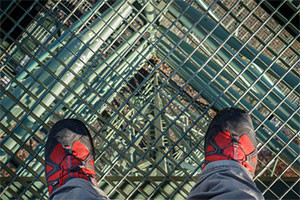
Does being up high make you feel anxious and scared?
Do you feel like this fear holds you back from enjoying certain parts of life?
A natural response in excess
Thanks to our survival instinct, humans are pre-programmed to be wary of heights.
However, this response to being up high can become exaggerated to the point that it becomes a full-blown phobia.
So that even when you know you're safe, looking out at a beautiful hilltop view can be overshadowed by sensations of vertigo and fear.
And climbing a ladder becomes an impossible task.
The manifestation of fear
A fear of heights is quite a common phobia for these reasons.
And it can manifest as:
- The feeling of being rooted to the spot
- A seemingly uncontrollable attraction to the edge
- Heightened anxiety.
And for some people, even thinking about being up high can trigger a fear response.
Regain control with hypnosis
Overcome Fear of Heights is an audio hypnosis session that will help calm down your response to being up high.
As you relax and listen repeatedly to your hypnotherapy session, you'll notice that you:
- Feel more calm about being around heights
- Lose that vertigo feeling when up high
- Feel more in control of yourself
- Develop more trust in yourself.
Download Overcome Fear of Heights now and don't let this limiting phobia hold you back anymore. You can listen on your computer or device or via our free app which you can access when you have completed your purchase.
Listen to the introduction of Overcome Fear of Heights
Why you can relax about buying from Uncommon Knowledge...

We have helped over a million people with hypnosis since 1998. Uncommon Hypnosis is a creative, permissive, deeply relaxing approach to improving psychological wellbeing and performance that anyone can benefit from.
Mark Tyrrell & Roger Elliott
Co-founders of Uncommon Knowledge »

Overcome Fear of Heights has been purchased by 2,763 customers.
Overcome Fear of Heights
Narrator: Roger Elliott
Length: 22:46
 Listen on all devices or our free app
Buy these together Overcome Fear of HeightsKeep a Cool Head and save $6.95
(These products are specially selected to maximize your results from your hypnosis.)
Most popular sessions in Fears and Phobias




Why we're different to other hypnosis providers:

We're experienced and dedicated therapist trainers
Uncommon Knowledge was formed in 1998, and since then we've trained over 24,000 people at face-to-face events. We've served millions of self hypnosis audio sessions and treated more than 5,000 patients in 1:1 therapy. Our uncommon approach to hypnosis is unique in the field.

More than a million customers
With more than 1 million customers since 2003, we are proud to serve people from all over the globe. With instant access to all of our products, there's no limit to how we can help you.

9566 people are happy with our customer service

Our small support team is dedicated to making your experience with Uncommon Knowledge a lovely, and hopefully long one.