www.hypnosisdownloads.com


Downloads Unwrapped February 2010

downloads-unwrapped-february-2010

I used to write this section in our monthly Inspired Minds newsletter, but we figured it would be easier to read online, and all our blog subscribers would enjoy reading it too. At least I hope you do :)   Read February’s Inspired Minds newsletter here.

Downloads Unwrapped

Having a sense of control in one’s own life is one of the basic human emotional needs that we must seek to satisfy if we want to lead a healthy, balanced life. But it can happen that the pursuit of this need can itself get out of kilter, and then a whole new set of problems can arise.

Control freaks – is it possible to stop being one?

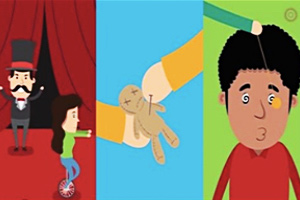
Control freaks seek to empower themselves at the expense of other people’s sense of autonomy. Irritating, intimidating and disempowering others might not be the control freak’s conscious aim but this is often the effect of controlling behavior. Control freaks might not be intentional bullies and are often very successful in certain areas. Where they tend to be less successful is in interpersonal relationships. Personal and work relationships are often areas of disappointment for the control freak – for two reasons:

  • other people’s foibles, weakness and differences are not easily tolerated, so the control freak feels continually let down and disappointed
  • other people eventually find it too hard to be in (any kind of) relationship with the control freak.

Control freaks seek see reality in very black and white, ‘all-or-nothing’ ways. For them “It’s my way or the highway!”. They’ll often find it hard to be spontaneous and may often experience a ‘sense of humor failure’ when things don’t go their way. They are perhaps more prone to experiencing depression when reality doesn’t exactly live up to their expectations. It’s great, of course, to have high standards, but excessive perfectionism indicates a serious lack of flexibility and adaptability. It’s such an imperfect way to go through life!

This month’s Stop being a control freak aims to help those (who are big enough) to see their own behavior as others might, and begin to ‘soften the edges’ of their ways of going about things so that more fun can be had and they can rub along much better with other people, for the good of all.

When you stop always being right you end up being more ‘alright’

And that sits nicely with another new session: Stop always having to be right – which, of course, is another common feature of ‘control freakery’. Someone once said: “No man knows less than the man who knows everything” and it’s a real sign of a closed mind when someone cannot even entertain the possibility that they might be a) mistaken about something or b) ignorant and uninformed about something. People who always have to have the ‘right’ take on something – even if, in reality, they know very little about it – are in a more risky position than they realize. This is because this attitude effectively blocks the intake of any fresh knowledge. The ‘know-it-all’ essentially feels they already know all there is to know. But there’s another consideration.

‘Always having to be right’ can be prompted by insecurity and anxiety. Often times when people learn to relax, open up and become more genuinely confident, then they become able to relax with uncertainty and can enjoy a double bonus of becoming instantly more socially skilled and able to genuinely learn.

People with low self esteem can be totally convinced they are right in their low opinion of themselves. So learning how not to feel you have to be right about everything can help people with diverse emotional difficulties from jealousy (where people assume they are right before any real evidence appears) to hypochondria.

Getting over emotional abuse is liberating in more ways than one

Controlling people may or may not intend to abuse people around them, but either way they may end up emotionally abusing others, and their victims may carry the effects of emotional abuse for many years. The third session I want to briefly mention is Emotional abuse recovery. One symptom of emotional abuse is ‘learned helplessness’ – this is where someone continues to feel constrained and threatened even though, in reality, this is no longer the case. For example, a woman abused in an earlier marriage may still feel anxious and frightened of any man, even though her new husband is perhaps much gentler and kinder than the abuser. So, in effect, she can still feel (and act) as if the abuse is current, even though it isn’t. Another effect of emotional abuse may be self blame. This can happen, for instance, when the abuser was very accusatory and conditioned their target to feel worthless or ‘wrong’ in some unspecified way.

Lifting the emotional effects of abuse allows people to stop being conditioned by past bad experiences and release themselves from any inappropriate self blame so that they can move on positively with their lives. And that is what this new session sets out to do.

Comments for Downloads Unwrapped February 2010


  1. 1 Olabisi Oyelana Feb 24th, 2010 at 5:53 pm

    This sounds familiar, I’m sure it will be helpful for some people, including me.I have been conditioned for many years to always allow people to have their ways, that it becomes very difficult for me not to, even when it is not convenient. Do you think “Saying No” that I downloaded newly is appropriate for my situation.

  2. 2 Mark Tyrrell Feb 24th, 2010 at 7:06 pm

    Hello Olabisi yes the ‘saying no’ download should prove very useful to you. Breaking out of “roles” that have been created for us and breaking free of other peoples’ expectaions of us as to what we are “supposed to be” like is vital for self development.

    All the best to you

    Mark


Home | Learn Hypnosis Online | CD's & Tapes | Affiliate Program | About Us | Privacy Policy by TRUSTe | Contact | Hypnosis Blog
© 2012 Hypnosis Downloads.com Ltd, Queens Building, 8 George Street, Oban, UK PA34 5SB. Registered Company 03573107